Estimate the pour before you mix
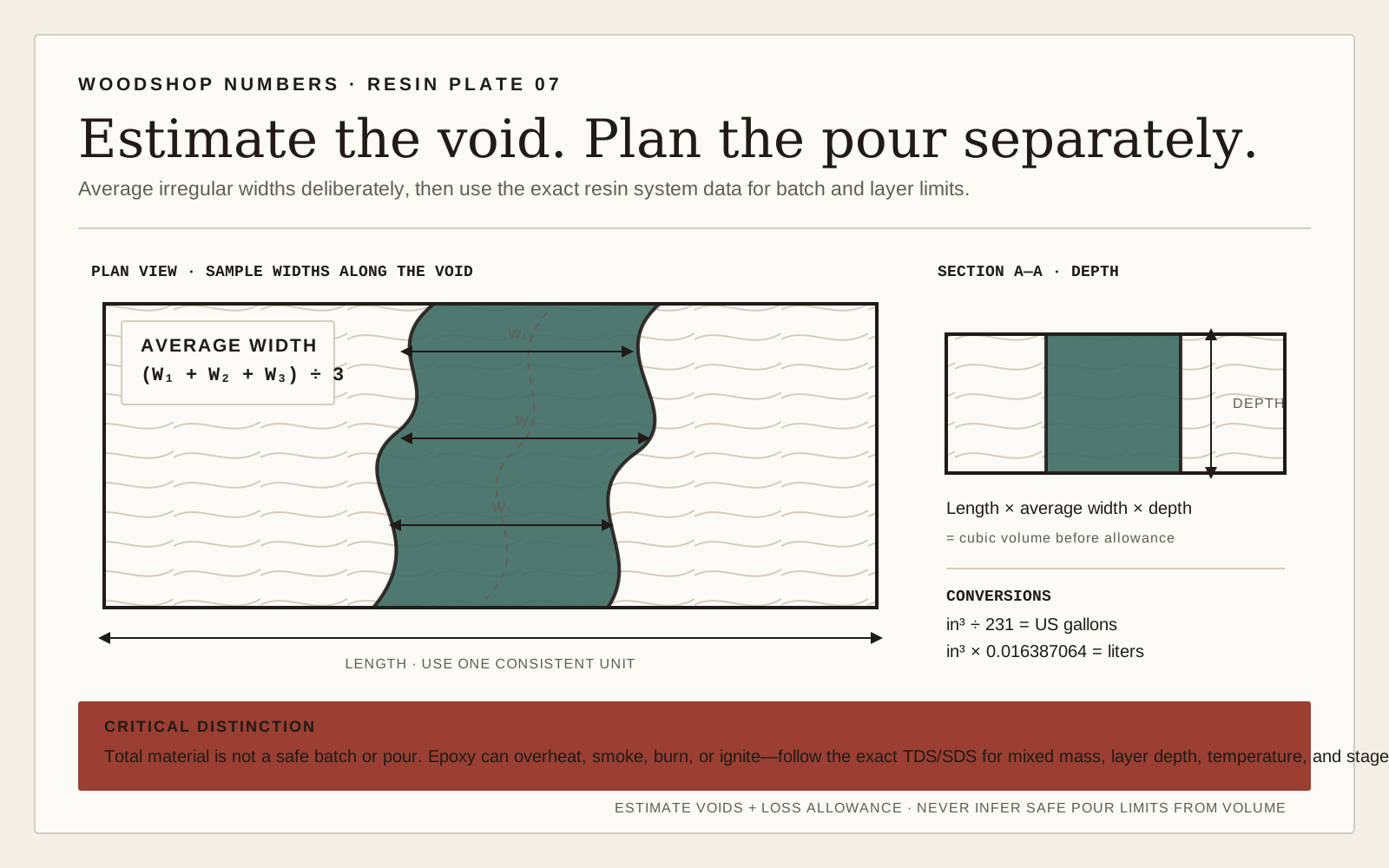
A river table epoxy volume calculator turns the empty space between slabs into a buying estimate. Enter the river length, average width, pour depth, and an extra allowance. The tool converts the rectangular volume into gallons and liters so you can compare it with the resin kit sizes sold by your supplier.
The important word is estimate. River voids are irregular. Bark edges wander. Slabs may slope inward or outward. Forms can leak. Seal coats and top coats are separate from the main pour. Use the calculator to avoid guessing, then verify the result against your resin manufacturer's instructions before buying or mixing.
Measure the river as an average shape
For a straight rectangular channel, the math is simple: length times width times depth. A river table is rarely that tidy, so the practical approach is to take several width measurements along the length and average them. Wider sections and narrow necks both need to be represented.
Measure the actual void, not the outside size of the table. If the river curves, follow the centerline of the void rather than only measuring the table from end to end. If the slabs have sloped live edges, take measurements where the epoxy will actually sit. The goal is not a perfect geometric model; it is a realistic average.
What the calculator includes
The calculator covers the main rectangular pour: average length, average width, and depth. It also has an extra allowance field for small losses and uncertainty. That allowance is useful when the form has tiny gaps, the underside is not perfectly flat, or you expect some resin to creep into low spots.
Because the output is shown in gallons and liters, you can compare the result with resin kit sizes without doing a second conversion. If you work in ounces or milliliters, convert from the supplier's package label after the main estimate is done.
What to add outside the calculator
Do not treat the main pour as the entire resin budget. Seal coats, flood coats, color test pours, small cracks, knot holes, and mistakes can all use material. If your form needs a skim layer below the slabs to make the base level, estimate that separately. If you plan to fill voids before the main river pour, estimate those separately too.
Deep-pour epoxy also has process limits. The safe pour depth, cure time, temperature window, and mixing ratio come from the resin maker, not from a generic calculator. A volume estimate tells you how much material you may need; it does not decide how to pour it.
How to reduce epoxy surprises
Dry-fit the slabs in the form before measuring. Seal the form carefully. Check for gaps around the slabs and along the ends. Mark width measurements directly on tape or chalk so you can review them before mixing. If the river varies wildly, split it into sections and estimate each section separately, then add the totals.
For expensive pours, make a written pour plan. List the main pour volume, extra allowance, seal coat material, color tests, and any backup kit you want on hand. The moment epoxy is mixed is a bad time to discover that the estimate only covered the neatest part of the void.
When a rectangle estimate is not enough
Use a more detailed layout when the river has islands, branches, very sloped sides, or multiple depths. Break the shape into smaller rectangles, calculate each one, and add the results. If the table has a large island of wood inside the river, subtract that space from the epoxy estimate rather than filling the whole rectangle on paper.
The calculator is strongest for first-pass planning and kit comparison. Final ordering should still account for the actual slab shape, your form design, and the resin system you choose.
| Input | How to measure it | Common mistake |
|---|---|---|
| River length | Follow the path of the void or split curves into sections | Using only the outside table length |
| Average river width | Take multiple width readings and average them | Measuring one attractive narrow spot |
| Pour depth | Use the actual fill depth after slabs are in the form | Forgetting low spots or uneven slab thickness |
| Extra allowance | Add a buffer for seepage, test pours, and form uncertainty | Treating the neat rectangle as the whole resin budget |
| Units | Compare gallons or liters with kit labels | Mixing unit systems during ordering |